
RGB Hemoglobin Analysis Meter
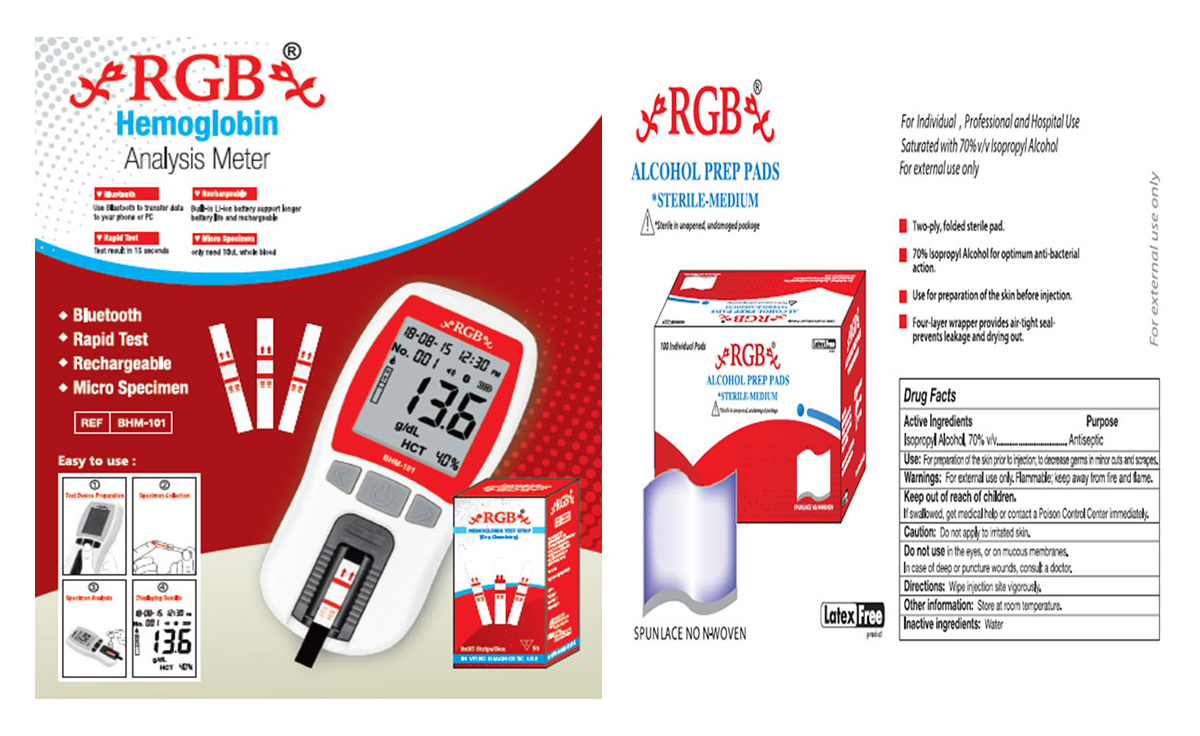
In recent years, medical technology has advanced by leaps and bounds, making diagnostics faster, more accurate, and less invasive. One such groundbreaking innovation is the RGB Hemoglobin Analysis Meter. But what exactly is this device, and why is it causing such a stir in the healthcare industry? Let’s dive in and explore everything you need to know about this cutting-edge technology.
What is an RGB Hemoglobin Analysis Meter?
An RGB Hemoglobin Analysis Meter is a medical device designed to measure the concentration of hemoglobin in the blood using RGB (Red, Green, Blue) optical sensors. Unlike traditional methods that require blood samples, this device offers a non-invasive alternative, making it a game-changer in medical diagnostics.
How Does It Work?
The RGB Hemoglobin Analysis Meter employs sophisticated optical sensors that analyze the color changes in the skin, which correlate with hemoglobin levels. Here’s a simplified breakdown of the process:
- Light Emission: The device emits light in the red, green, and blue spectra.
- Light Absorption: Hemoglobin in the blood absorbs varying amounts of light depending on its concentration.
- Signal Processing: A microprocessor interprets the absorbed light data to calculate the hemoglobin level.
- Display: The results are then displayed on the device’s screen, providing instant feedback.
Key Components
Understanding the core components of the RGB Hemoglobin Analysis Meter helps appreciate its functionality:
- RGB Sensor: Captures the light reflected from the skin and measures the absorption levels.
- Microprocessor: Processes the data collected by the sensors to determine hemoglobin concentration.
- Display and User Interface: Shows the results and allows users to interact with the device.
Advantages Over Traditional Methods
Why should healthcare providers consider switching to RGB Hemoglobin Analysis Meters? Here are some compelling reasons:
- Speed and Efficiency: Results are available almost instantly, eliminating the need for laboratory processing.
- Non-Invasiveness: No needles or blood samples required, reducing discomfort and risk of infection.
- Accuracy and Reliability: Advanced sensors and algorithms ensure precise measurements.
Applications in Healthcare
The RGB Hemoglobin Analysis Meter has a wide range of applications:
- Routine Check-Ups: Ideal for regular health assessments without the need for invasive procedures.
- Chronic Disease Management: Helps in monitoring conditions like anemia or diabetes more frequently and conveniently.
- Emergency Situations: Provides quick readings in critical scenarios, aiding rapid decision-making.
Benefits for Patients
From a patient’s perspective, the RGB Hemoglobin Analysis Meter offers numerous benefits:
- Comfort and Convenience: No need to endure needle pricks, making the process more patient-friendly.
- Reduced Risk of Infection: As it doesn’t involve breaking the skin, the risk of infections is significantly lowered.
- Quick Results for Immediate Action: Immediate results allow for timely medical interventions.
Benefits for Healthcare Providers
Healthcare providers also gain significantly from this technology:
- Streamlined Workflow: Speeds up the diagnostic process, allowing healthcare professionals to see more patients.
- Better Patient Management: Frequent and accurate monitoring helps in better managing patient health.
- Cost-Effectiveness: Reduces the need for consumables like needles and test tubes, cutting down on costs.
Challenges and Limitations
Despite its advantages, the RGB Hemoglobin Analysis Meter is not without challenges:
- Initial Cost: The upfront investment can be high, though it may be offset by long-term savings.
- Training Requirements: Proper training is needed to ensure accurate usage and interpretation of results.
- Technological Limitations: While highly advanced, it may not yet replace all traditional methods for every patient scenario.
Future of RGB Hemoglobin Analysis
The future looks bright for this technology, with ongoing innovations and potential integrations on the horizon:
- Innovations and Advancements: Continuous improvements in sensor technology and data algorithms promise even better accuracy and functionality.
- Potential Integrations: Combining with other diagnostic tools could provide comprehensive health monitoring solutions.
Case Studies
Real-world applications highlight the efficacy of the RGB Hemoglobin Analysis Meter:
- Successful Implementations: Numerous clinics and hospitals have successfully integrated these meters, enhancing their diagnostic capabilities.
- Patient Testimonials: Many patients have reported positive experiences, citing ease of use and quick results.
Comparison with Other Non-Invasive Techniques
How does the RGB Hemoglobin Analysis Meter stack up against other non-invasive methods?
- Optical Methods: While similar in using light, other optical methods may not provide the same level of accuracy for hemoglobin measurement.
- Ultrasound Methods: Typically used for imaging, ultrasound does not offer the same functionality for hemoglobin analysis.
Purchasing Considerations
When looking to purchase an RGB Hemoglobin Analysis Meter, consider the following:
- Key Features to Look For: Ensure the device has high accuracy, user-friendly interface, and reliable customer support.
- Reputable Brands and Models: Research and choose well-known brands that have good reviews and proven track records.
- Cost vs. Benefits: Weigh the initial cost against the long-term benefits and savings.
Maintenance and Calibration
Proper maintenance and regular calibration are crucial for optimal performance:
- Routine Maintenance Tips: Keep the device clean, handle it carefully, and follow the manufacturer’s guidelines.
- Importance of Regular Calibration: Regular calibration ensures the device remains accurate and reliable over time.
Conclusion
The RGB Hemoglobin Analysis Meter represents a significant advancement in medical diagnostics, offering a non-invasive, quick, and accurate method for measuring hemoglobin levels. Its benefits for both patients and healthcare providers make it a valuable tool in modern medicine. As technology continues to advance, we can expect even greater innovations, further enhancing its capabilities and applications.
FAQs
What is hemoglobin, and why is it important? Hemoglobin is a protein in red blood cells that carries oxygen from the lungs to the rest of the body. It’s essential for providing energy to cells and maintaining overall health.
How accurate is the RGB Hemoglobin Analysis Meter? The device is highly accurate, thanks to advanced sensors and algorithms, though it’s important to ensure proper usage and regular calibration for the best results.
Can it be used at home? Yes, many models are designed for both professional and home use, making it convenient for patients to monitor their hemoglobin levels regularly.
What is the cost range of these devices? The cost can vary widely depending on the brand and features, ranging from a few hundred to several thousand dollars.
How often should the device be calibrated? Regular calibration is essential, typically recommended every few months or as per the manufacturer’s guidelines, to maintain accuracy.H